

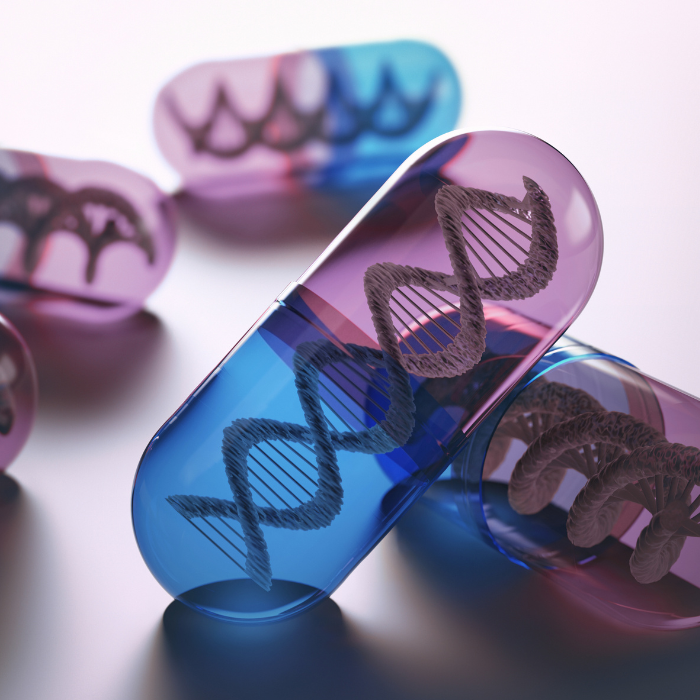



In the ever-evolving field of wellness and regenerative medicine, few modalities have sparked as much interest and excitement as peptide therapy. Once reserved for elite medical research or advanced anti-aging protocols, peptides are now becoming an essential component of precision-based health optimization. At Optimize U Louisville, we integrate peptide therapy into our larger clinical model not as a trendy add-on, but as a strategic, evidence-based tool capable of stimulating the body’s innate ability to repair, rejuvenate, and perform at its peak.
Peptides, by definition, are short chains of amino acids that function as biological messengers. These molecules play an extraordinary role in directing cellular function—initiating healing responses, stimulating hormonal output, accelerating tissue regeneration, and influencing everything from immune function to fat metabolism. Because they are naturally occurring in the body and highly specific in their mechanisms of action, peptides offer a highly targeted and well-tolerated approach to addressing a broad spectrum of health concerns. They do not override the body’s physiology; instead, they work synergistically with it—activating receptors, mimicking native pathways, and enhancing the internal signals that promote optimal wellness.
What makes peptide therapy so powerful is its ability to reach into nearly every physiological system. Growth and repair pathways, cognitive performance, metabolic regulation, skin health, inflammation resolution, immune system modulation, and recovery from injury are all areas where peptides have demonstrated significant clinical potential. While many people are familiar with the concept of hormone optimization—particularly testosterone or thyroid therapy—peptides take optimization deeper. They don’t just restore levels; they unlock function. For individuals who feel like they’ve hit a plateau with lifestyle changes, supplements, or even hormone therapy, peptides can be the missing link that reactivates cellular vitality.
Understanding how peptide therapy works begins with understanding the nature of the peptides themselves. In clinical use, peptides are designed to bind to specific receptors on the surfaces of cells, much like a key fits into a lock. Once that receptor is activated, it signals the cell to initiate a cascade of biological processes. This signal could tell a muscle cell to begin repair, a gland to release growth hormone, or the mitochondria to increase energy output. Because peptides are so specific in their targets, they can achieve remarkable outcomes with minimal collateral effects—something that traditional pharmaceuticals often cannot claim.
At Optimize U Louisville, we approach peptide therapy through the lens of individualized care. There is no such thing as a “one-size-fits-all” peptide regimen. Our process begins with advanced lab testing and a detailed clinical evaluation that examines not only hormone levels but also markers of inflammation, metabolic health, adrenal function, and cellular stress. This data allows us to identify which peptide pathways may be underperforming and design a therapy plan that is tailored to each client’s unique physiology and goals. For some, that may mean improving sleep quality and muscle recovery; for others, it could be reversing gut inflammation, enhancing cognitive performance, or supporting fat metabolism and insulin sensitivity.
One of the most widely used and well-studied categories of peptides in clinical practice are growth hormone secretagogues. These include peptides which stimulate the pituitary gland to release more endogenous growth hormone (GH). Unlike exogenous GH therapy, which can carry risk for downregulation or side effects, peptides like these allow the body to regulate its own hormone release more naturally. The result is improved muscle tone, better fat utilization, deeper sleep, and enhanced tissue repair—all without the suppression seen in direct hormone administration. Many patients begin to experience better recovery from workouts, improved endurance, and even sharper mental clarity within a few weeks of consistent use.
Some peptides have remarkable regenerative properties and have been shown in numerous animal studies and growing clinical use to accelerate healing of muscles, tendons, ligaments, and the gastrointestinal lining. It appears to work by enhancing angiogenesis (the formation of new blood vessels), modulating the nitric oxide pathway, and protecting tissues against oxidative stress. For individuals struggling with chronic joint pain, soft tissue injuries, leaky gut, or post-surgical recovery, these peptides can be a transformative part of their treatment plan.
Peptides are also showing promise in the realm of immune function and immunomodulatory effects, particularly in the context of viral infections and immune deficiency. They support T-cell production, enhances innate immunity, and can be useful in both acute and chronic immune challenges. In our clinic, we’ve seen this peptide provide benefit for individuals recovering from viral illnesses, managing chronic fatigue, or dealing with autoimmune flares.
For clients struggling with metabolic resistance or visceral fat accumulation—especially those with underlying insulin resistance—peptides like Tesamorelin and others provide an additional therapeutic layer. Tesamorelin, a growth hormone-releasing factor analog, has demonstrated effectiveness in reducing deep abdominal fat, while also supporting cognitive function in aging populations. Other peptides in the metabolic space are derived from mitochondria and enhance cellular energy production, improve insulin sensitivity, and have shown potential in supporting healthy aging and metabolic efficiency. These peptides are particularly valuable in clients who are eating well, training consistently, and still not seeing the metabolic changes they expect.
Safety, of course, is always at the forefront of any medical protocol we design at Optimize U. While peptides are naturally derived and generally well-tolerated, they are still biologically active compounds that must be prescribed and monitored carefully. We use only pharmaceutical-grade peptides from trusted compounding pharmacies, and every patient undergoes regular follow-up lab testing to track efficacy and detect any imbalances early. Our clinicians maintain a close therapeutic relationship with each client, adjusting dosages based on both objective biomarkers and subjective experience. This is not a transactional model—it’s a collaborative process of optimization rooted in clinical excellence.
One of the most compelling aspects of peptide therapy is its flexibility. Delivery methods vary based on the compound and the client’s preferences. While subcutaneous injections remain the most common and effective route for many peptides, others may be administered as topical creams, oral capsules, or even intranasal sprays. We work with each individual to find the method that best fits their lifestyle and ensures maximum adherence. In every case, simplicity and education are prioritized—our goal is to empower clients with knowledge about how these therapies work, what to expect, and how to track their progress meaningfully over time.
Contrary to some of the misconceptions circulating in mainstream media or online wellness forums, peptides are not steroids, nor are they shortcuts or performance hacks. They are an advanced therapeutic class rooted in decades of biomedical research and supported by a growing body of clinical evidence. Their true value lies in their ability to fine-tune specific physiological systems without overwhelming the body’s regulatory mechanisms. When prescribed by knowledgeable providers and integrated into a broader wellness plan, peptides can elevate quality of life in ways that are both subtle and profound.
Ultimately, peptide therapy is not about doing more. It’s about doing what works—at the cellular level. It’s about precision. It’s about enabling your body to do what it already knows how to do, but more efficiently, more effectively, and with less resistance. Whether you’re looking to overcome chronic fatigue, accelerate recovery from injury, sharpen your mental focus, or finally lose that stubborn visceral fat, peptides may offer the clinical edge you’ve been missing.
At Optimize U Louisville, we believe regenerative wellness should be accessible, transparent, and deeply personalized. Peptides are a cornerstone of that belief. Our role is to guide you through the science, monitor your progress, and help you reclaim what modern life may have diminished—your capacity to heal, thrive, and function at your best.
Let us help you unlock the power of your body’s natural intelligence. Peptide therapy is more than a treatment. It’s a catalyst for renewal.